Built for Multi-site Operators
-
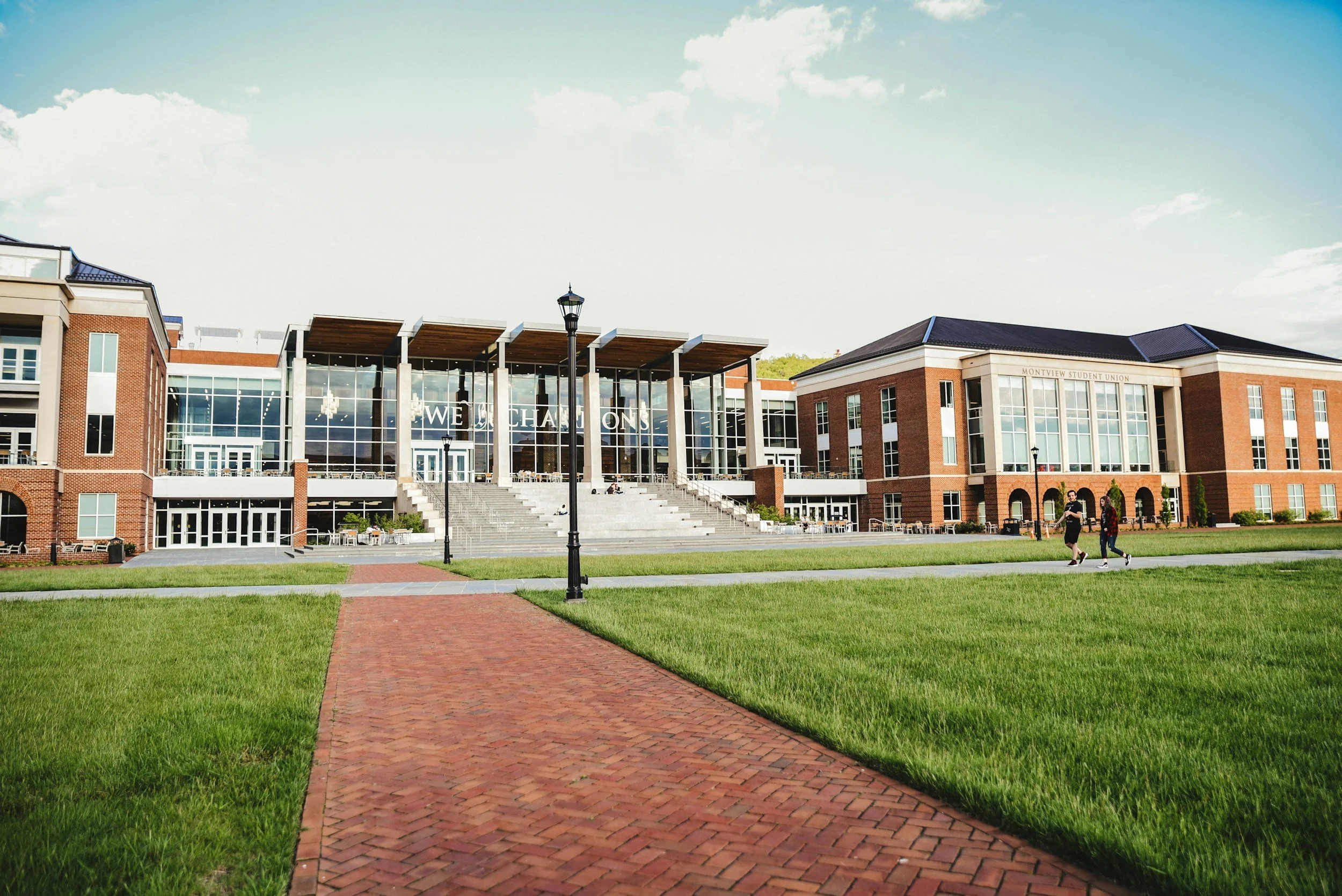
Schools operate on fixed academic calendars with limited flexibility. Facilities must support daily instruction, athletics, food service, and community use — often across aging buildings with constrained budgets. Operational disruption directly impacts students, staff, and families.
Critical Asset Reality
HVAC systems, boilers, chillers, electrical distribution, fire/life safety systems, security and access control, roofing, plumbing, and commercial kitchen equipment are foundational. Ventilation performance, temperature control, and food service reliability directly affect learning environments. A single failure can force classroom relocation or site closure.
Service Complexity
Districts typically rely on 8–20 specialized service providers per campus or portfolio — HVAC, electrical, fire/life safety, security, roofing, plumbing, kitchen equipment, and elevators — in addition to internal maintenance staff. Oversight is often decentralized, with limited standardized visibility across sites.
Compliance & Risk Pressure
Fire inspections, AHJ requirements, health department standards, boiler certifications, elevator inspections, OSHA guidelines, and state education facility regulations are mandatory. Documentation gaps, missed inspections, or ventilation failures create safety exposure, audit findings, and reputational risk for district leadership.
Capital Planning Without Governance
Capital planning is frequently driven by bond cycles, deferred maintenance lists, and visible failures rather than real-time asset condition. OPEX and CAPEX operate separately, leading to emergency replacements and escalating deferred maintenance.
Without governance, capital decisions become political and reactive — not data-driven strategies for operational readiness and long-term facility stewardship.text goes here
-
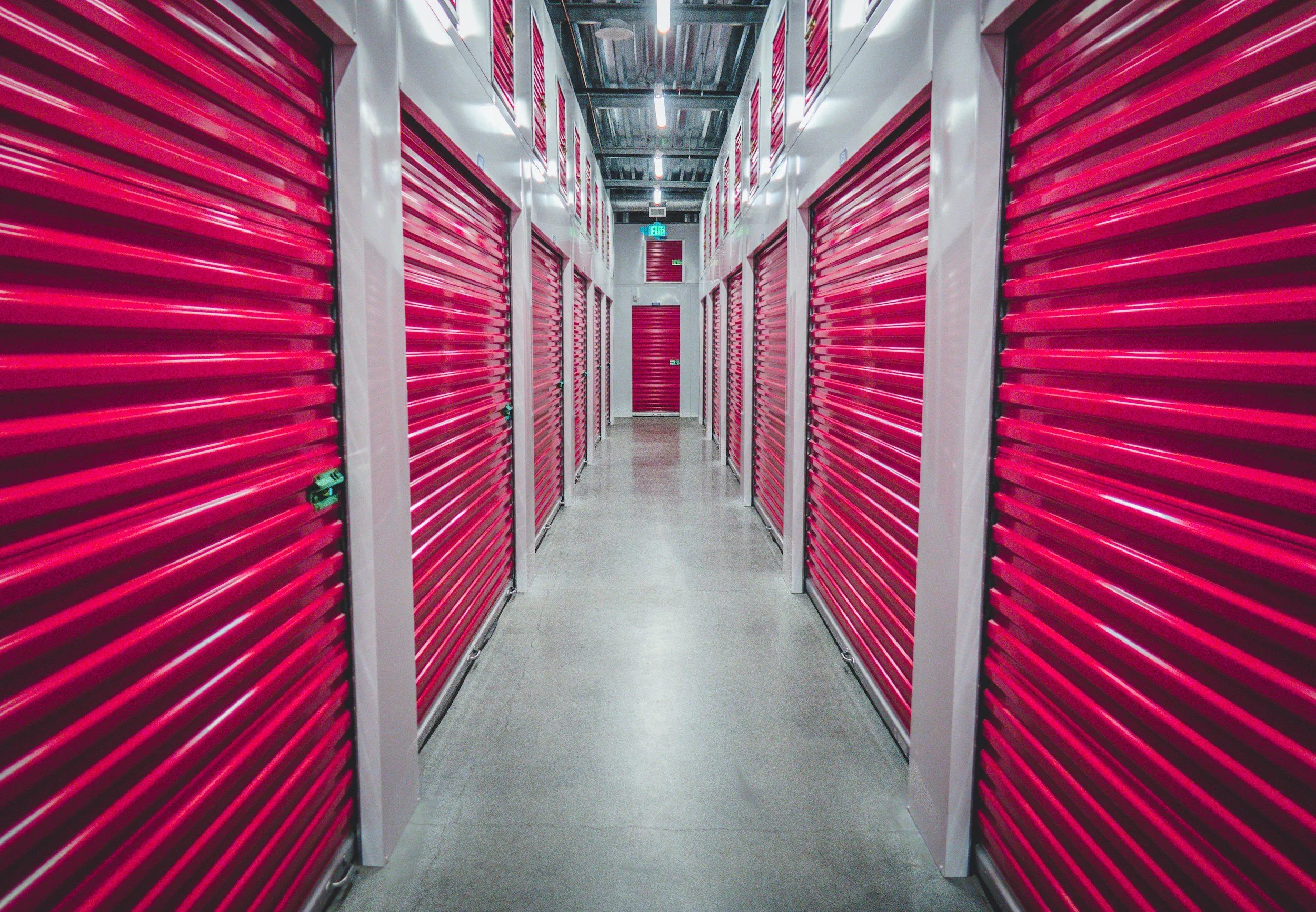
Self-storage facilities operate as distributed, lightly staffed real estate assets where uptime and security drive revenue. Performance is measured by occupancy, customer access, and asset preservation — with minimal onsite personnel to manage operational risk.
Critical Asset Reality
Gate access systems, security cameras, perimeter fencing, lighting, electrical distribution, roofing, fire/life safety systems, elevators, and climate-control HVAC units are foundational. Security and access reliability directly affect revenue and customer trust. A single failure can restrict access, increase liability, or damage stored property.
Service Complexity
Operators typically rely on 6–12 specialized service providers per site — gate and access vendors, security integrators, HVAC contractors, electricians, roofers, fire/life safety providers, and elevator technicians — each maintaining separate records and service cycles. Portfolio-level visibility is rarely standardized across locations.
Compliance & Risk Pressure
Fire inspections, local building codes, elevator certifications, electrical standards, and insurance documentation requirements vary by jurisdiction. In climate-controlled facilities, HVAC performance directly impacts liability exposure. Documentation gaps, missed inspections, or security failures create insurability and reputational risk.
Capital Planning Without Governance
Capital planning is often triggered by visible deterioration, tenant complaints, or emergency repairs rather than real-time asset condition. OPEX and CAPEX decisions are made site by site, limiting portfolio optimization and lifecycle forecasting.
Because self-storage valuations are highly sensitive to NOI and cap rates, reactive spending directly impacts enterprise value. Without governance, capital allocation becomes reactive — reducing NOI and masking avoidable portfolio risk.
-
Critical Asset Reality
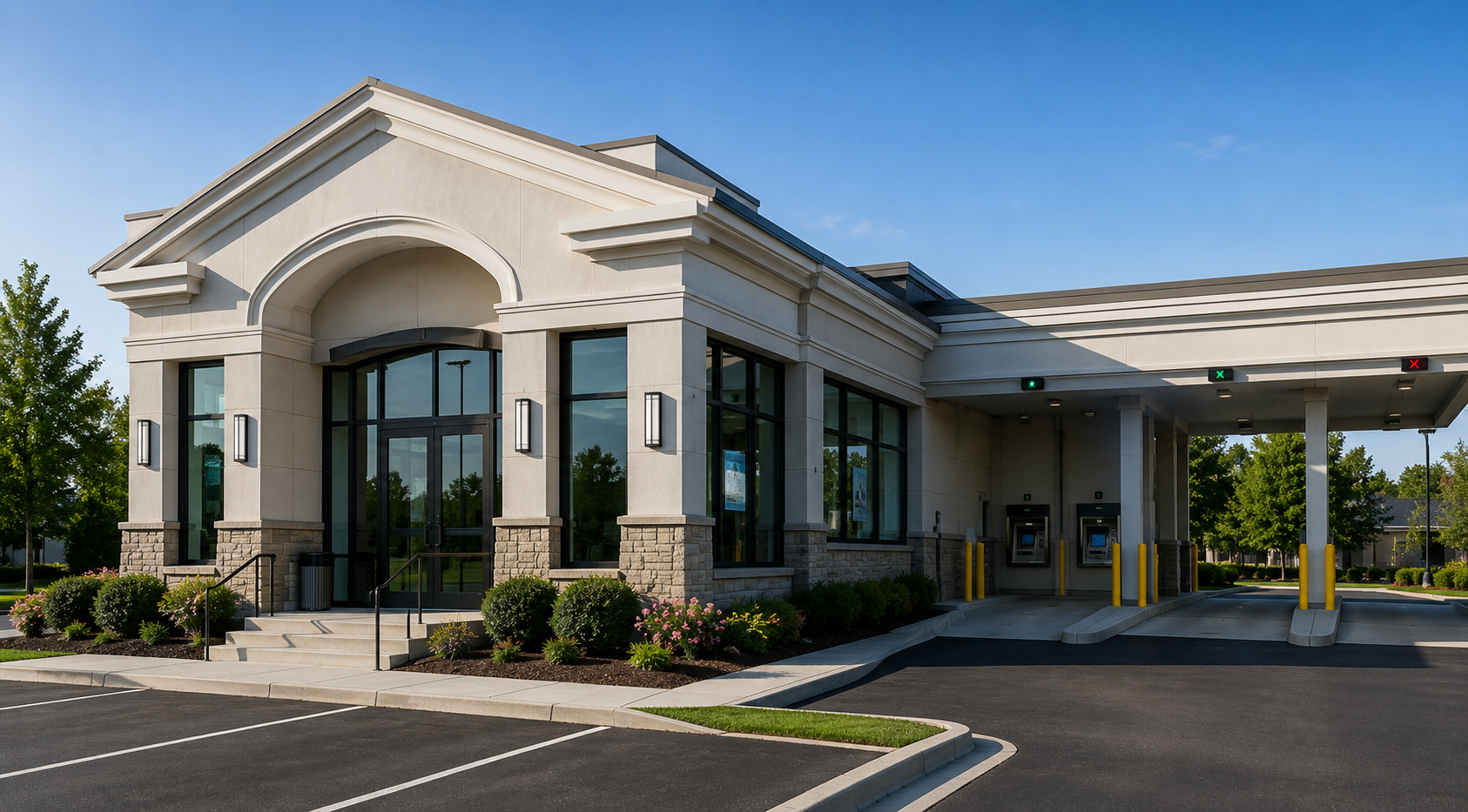
Branch operations depend on HVAC systems, backup generators, UPS systems, electrical distribution, security and access control, ATMs, vault support infrastructure, fire/life safety systems, roofing, plumbing, elevators, and building envelope systems. A failure in any critical asset can disrupt customer service, impact employee productivity, compromise security, or force temporary branch closure.
Service Complexity
Banks typically coordinate 10–20 specialized service providers across their branch portfolio, including HVAC, electrical, security, fire/life safety, generators, elevators, roofing, plumbing, landscaping, and general facilities maintenance. Internal facilities and corporate real estate teams must govern multiple vendors, contracts, and service levels while maintaining consistent operating standards across every branch.
Compliance & Risk Pressure
Financial institutions operate under stringent business continuity, safety, security, and regulatory expectations. Fire inspections, life safety testing, emergency power readiness, ADA compliance, OSHA requirements, security system certifications, environmental controls, and internal audit standards all require consistent execution and documentation. Missed inspections, deferred maintenance, or failures of critical infrastructure create operational disruption, regulatory exposure, financial loss, and reputational risk.
Capital Planning Without Governance
Capital planning is often driven by annual budgeting cycles, facility condition assessments, deferred maintenance lists, and visible failures rather than continuously measured operational readiness. Maintenance execution, asset lifecycle performance, and capital planning frequently exist in separate systems, limiting leadership's ability to understand where operational risk is increasing and where investment will have the greatest business impact.
Without governance, branch networks become increasingly reactive. Capital decisions are driven by age, budget cycles, and equipment failures rather than real-time operational performance. Oversiit transforms maintenance execution into Continuous Capital Planning—providing leadership with a governed view of Operational Readiness that strengthens Operational Continuity across the entire branch portfolio.
-
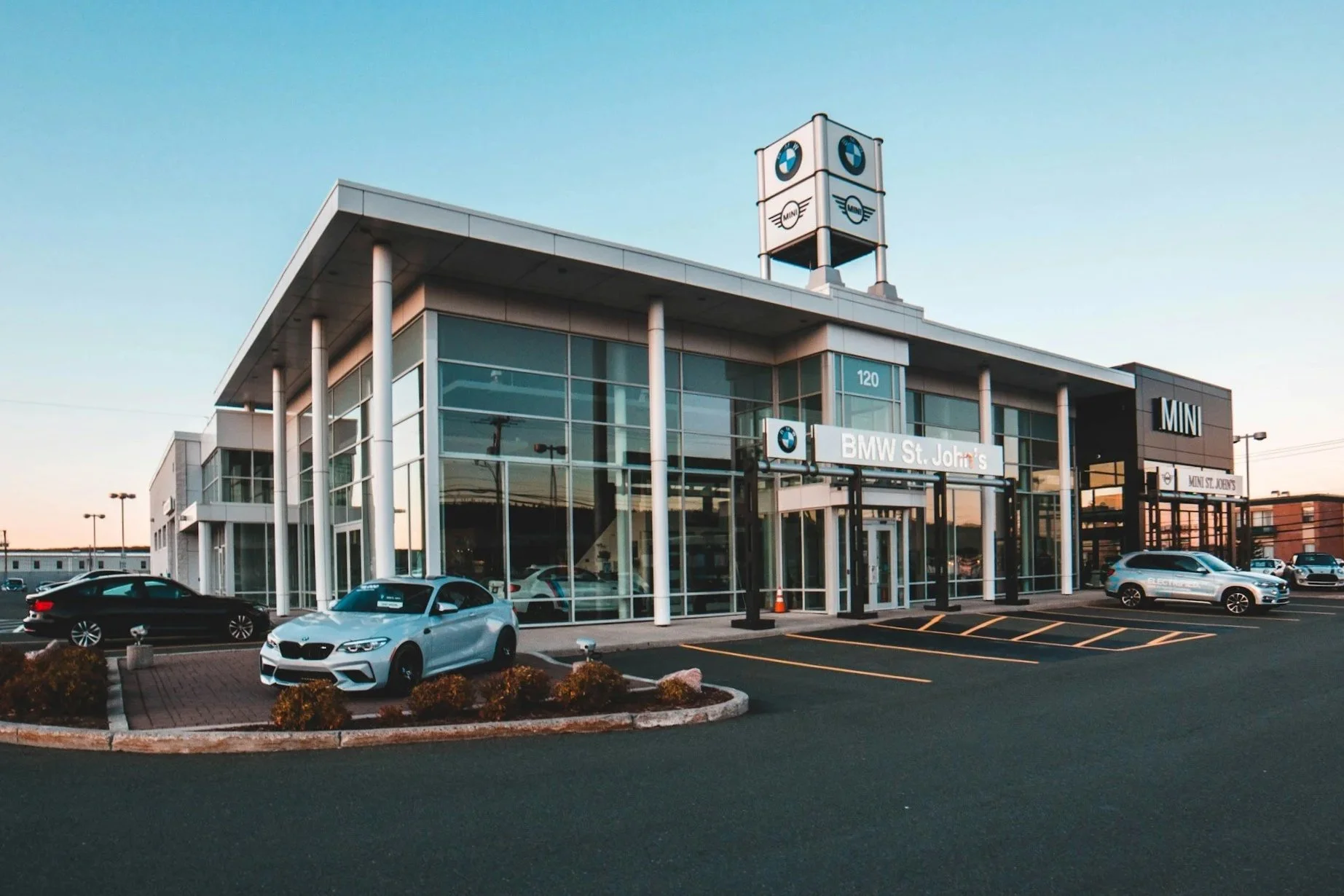
Automotive dealerships operate as dual-purpose facilities — retail showrooms and high-volume service centers. Revenue depends on uninterrupted service operations, customer experience, and manufacturer compliance standards. Downtime in the service drive or shop floor directly impacts daily cash flow.
Critical Asset Reality
Service bay lifts, compressed air systems, oil and fluid management systems, ventilation and exhaust extraction, HVAC, electrical distribution, lighting, fire/life safety systems, security, and customer-facing showroom infrastructure are foundational. In fixed-ops environments, equipment uptime directly drives revenue generation. A single failure can halt service throughput.
Service Complexity
Dealerships typically rely on 8–15 specialized service providers per site — lift inspectors, HVAC contractors, electricians, fire/life safety providers, environmental compliance vendors, roofing contractors, and equipment technicians — alongside internal maintenance teams. Oversight is often fragmented between fixed operations and facility management.
Compliance & Risk Pressure
OSHA requirements, environmental regulations for fluid handling, lift inspections, fire suppression systems, building codes, and manufacturer facility standards are mandatory. Documentation gaps, missed inspections, or safety violations create regulatory exposure, liability risk, and potential franchise compliance issues.
Capital Planning Without Governance
Capital planning is frequently driven by equipment failures, OEM upgrade requirements, or visible facility wear rather than real-time asset condition. Service equipment, environmental systems, and building infrastructure are often budgeted separately, limiting lifecycle optimization.
Without governance, capital spending becomes reactive — disrupting service revenue and eroding profitability rather than protecting throughput and long-term asset value.

-
Hotels operate 24/7 in a service-intensive environment where guest experience drives revenue and brand reputation. Performance depends on uninterrupted room availability, climate control, life safety, and amenity operations across every floor and common area.
Critical Asset Reality
Central HVAC systems, boilers, chillers, domestic hot water systems, elevators, fire/life safety systems, access control, electrical distribution, backup power, commercial kitchens, laundry equipment, pools, and spa systems are foundational. Guest comfort and safety are directly tied to system reliability. A single failure can impact occupancy and brand ratings.
Service Complexity
Hotels typically rely on 10–20 specialized service providers per property — HVAC, plumbing, electrical, elevators, fire/life safety, kitchen equipment, laundry systems, pool maintenance, roofing, and security — alongside internal engineering teams. Coordination across guest rooms, public spaces, and back-of-house systems is rarely governed holistically.
Compliance & Risk Pressure
Fire inspections, health department standards, pool safety regulations, elevator certifications, boiler inspections, ADA compliance, and brand-mandated facility standards are mandatory. Documentation gaps, missed inspections, or guest-impacting failures create regulatory exposure, liability risk, and reputational damage that affects RevPAR and long-term brand value.
Capital Planning Without Governance
Capital planning is often driven by brand refresh cycles, guest complaints, or major system failures rather than real-time asset condition. OPEX for maintenance and CAPEX for renovations frequently operate in parallel, limiting lifecycle coordination.
Without governance, capital allocation becomes cyclical and reactive — protecting appearances rather than optimizing operational readiness and long-term property value.
-
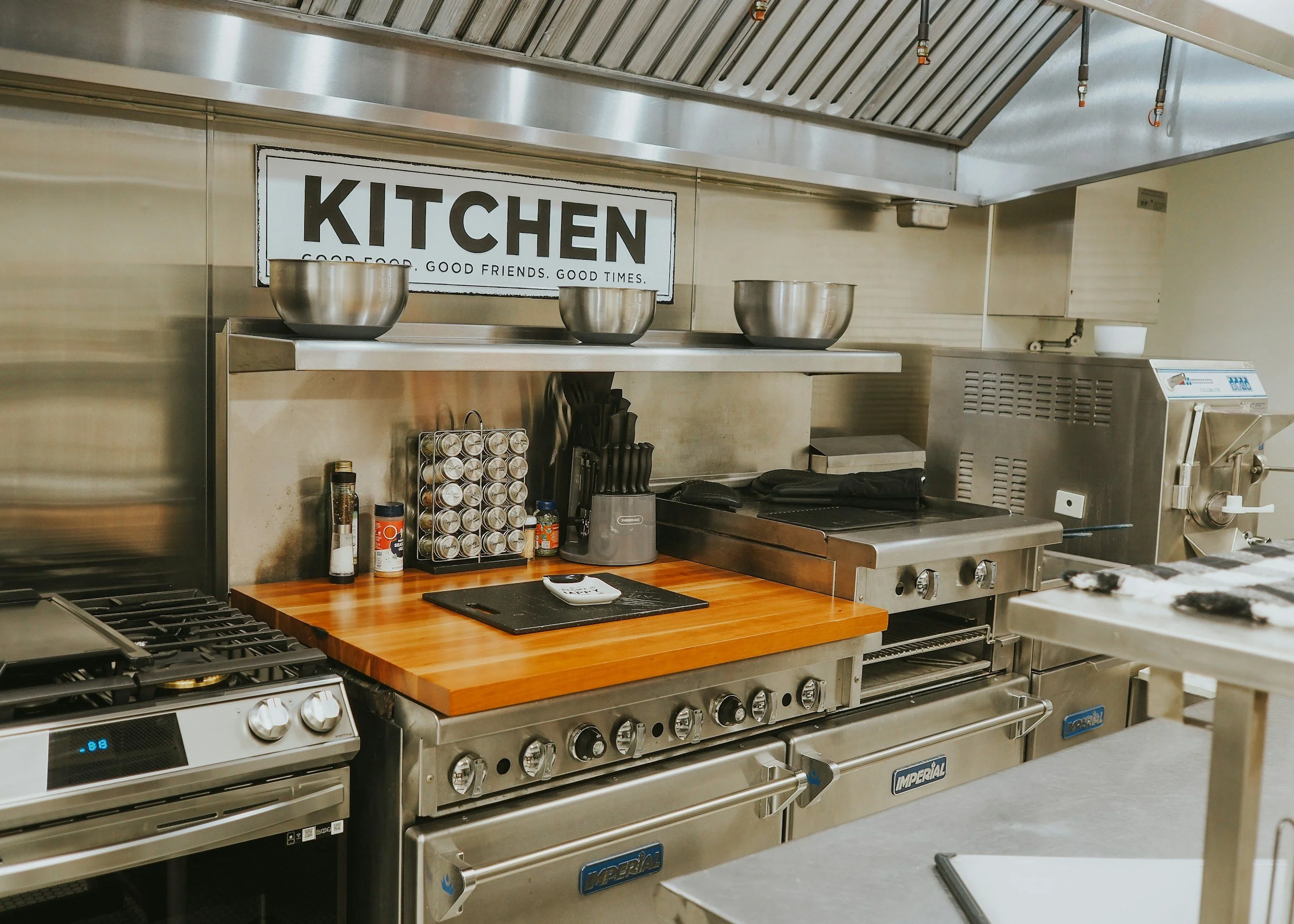
DescriptioRestaurants operate in high-intensity environments where revenue depends on continuous food production, customer turnover, and brand reputation. Performance is measured daily, and even minor operational disruptions can immediately impact sales and customer satisfaction.
Critical Asset Reality
Commercial cooking equipment, refrigeration systems, hood and fire suppression systems, HVAC, electrical distribution, plumbing, grease management systems, point-of-sale infrastructure, and fire/life safety systems are foundational. Food safety, temperature control, and ventilation reliability directly affect revenue and compliance. A single equipment failure can halt kitchen operations.
Service Complexity
Restaurants typically rely on 8–15 specialized service providers per location — refrigeration technicians, kitchen equipment vendors, hood suppression inspectors, HVAC contractors, plumbers, electricians, fire/life safety providers, and pest control services — often coordinated by local managers with limited portfolio visibility.
Compliance & Risk Pressure
Health department standards, fire suppression inspections, hood and grease duct cleaning, refrigeration performance, OSHA requirements, and insurance documentation are mandatory. Documentation gaps, missed inspections, or food safety failures create regulatory exposure, shutdown risk, and reputational damage that can spread quickly across locations.
Capital Planning Without Governance
Capital planning is frequently driven by emergency repairs, franchise refresh timelines, or visible equipment breakdown rather than real-time asset condition. OPEX and CAPEX decisions are often made store by store, limiting lifecycle optimization across the portfolio.
Without governance, capital spending becomes reactive — compressing margins and increasing volatility instead of protecting operational readiness and long-term enterprise value.
-
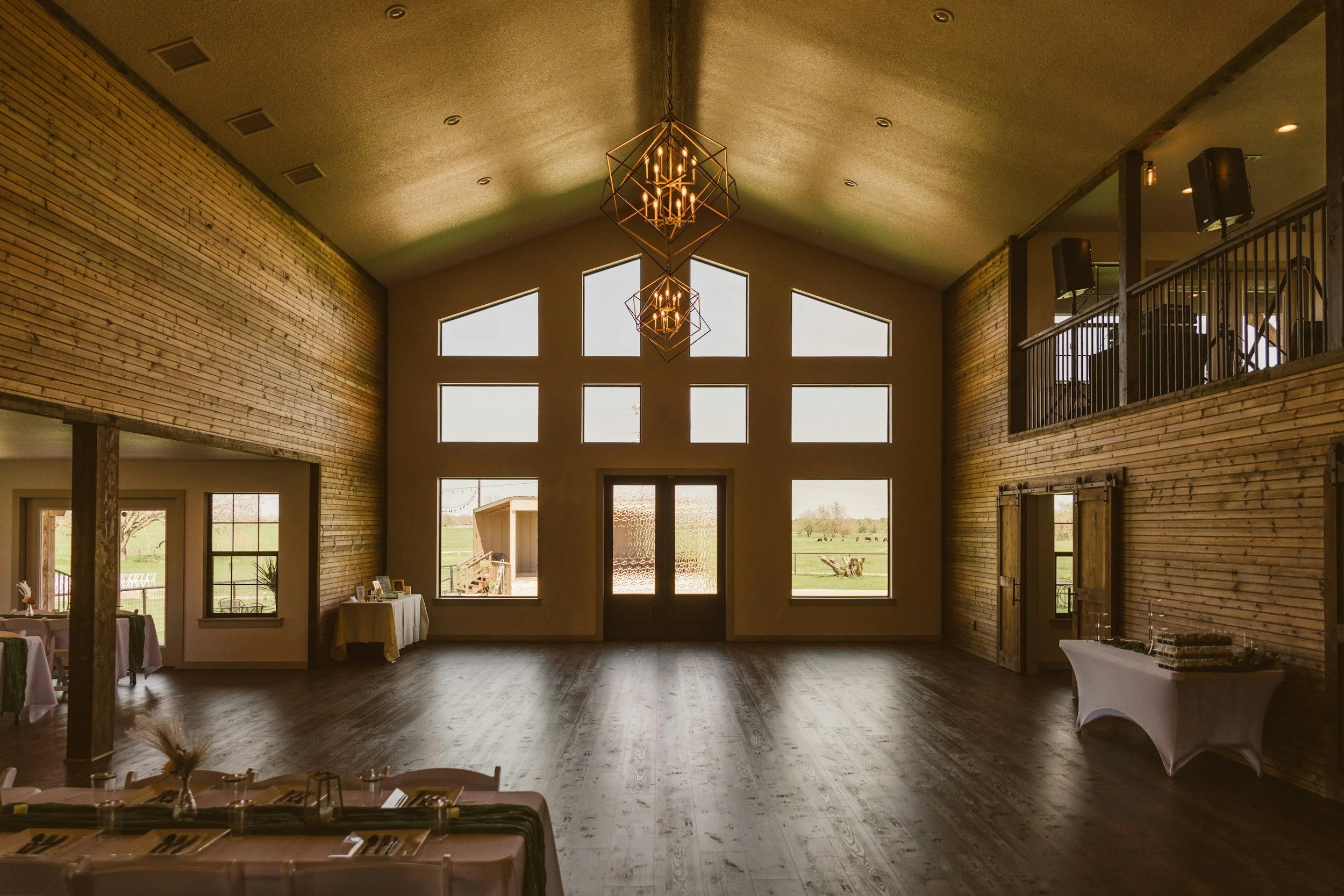
Event facilities operate on compressed timelines and high expectations. Revenue is concentrated around scheduled events, leaving little tolerance for operational failure. Performance is judged in real time — by guests, performers, promoters, and sponsors — making operational readiness non-negotiable.
Critical Asset Reality
HVAC, lighting and electrical systems, AV infrastructure, fire/life safety, access control, elevators, backup power, and commercial kitchen systems are foundational. Refrigeration, cooking equipment, hood suppression, and serving infrastructure directly support revenue delivery. A single mechanical, electrical, or food service failure can disrupt an entire event.
Service Complexity
Facilities typically rely on 8–15 specialized service providers per site — HVAC, electrical, AV, fire/life safety, elevators, security, refrigeration, kitchen equipment, and hood suppression — each operating independently with limited shared visibility. Culinary and life-safety trades often operate on separate compliance cycles, increasing coordination risk.
Compliance & Risk Pressure
Life safety inspections, occupancy codes, ADA compliance, fire suppression systems, hood and grease duct inspections, health department standards, and insurance documentation are non-negotiable. Documentation gaps, missed inspections, or failed food service systems create regulatory exposure, event disruption risk, and reputational damage that can impact future bookings.
Capital Planning Without Governance
Capital decisions are often driven by emergency history and aging equipment lists rather than real-time asset condition. OPEX and CAPEX operate in silos — especially across HVAC, AV, and commercial kitchen systems — leading to reactive replacements and preventable failures.
Without governance, capital planning becomes a response to breakdown — not a strategy for performance, readiness, and revenue protection.
-
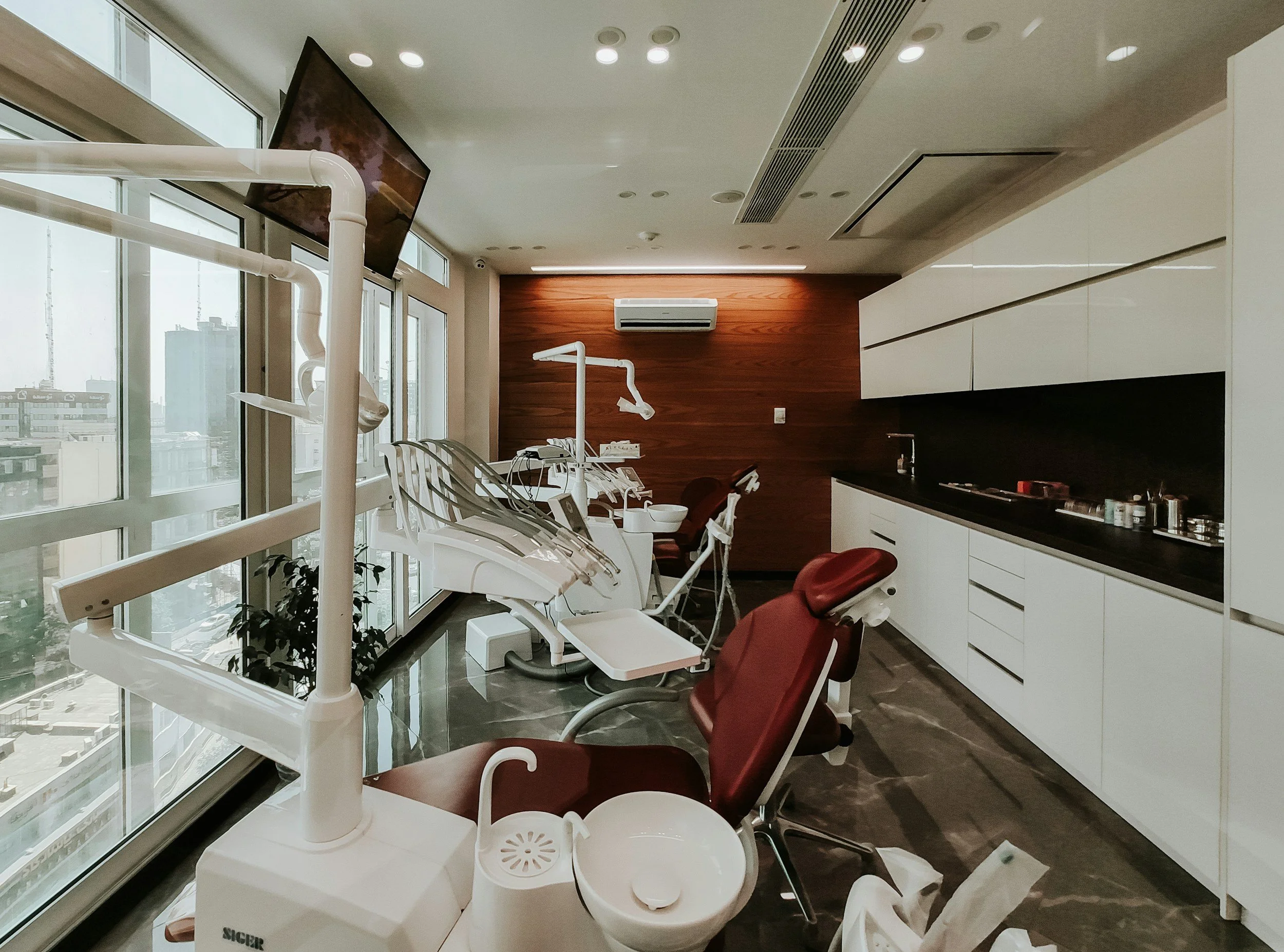
Healthcare clinics operate in patient-critical environments where safety, reliability, and regulatory compliance are non-negotiable. Facilities must support continuous clinical operations across exam rooms, labs, imaging suites, and administrative spaces — where equipment uptime directly influences both patient care and revenue generation.
Critical Asset Reality
HVAC and ventilation systems, medical gas infrastructure, electrical distribution, backup power, fire/life safety systems, and plumbing are foundational. Clinical equipment — including X-ray machines, CT scanners, imaging systems, lab analyzers, and pharmaceutical refrigeration — directly drives billable services. Temperature control, power reliability, and equipment performance are inseparable from patient safety and revenue continuity. A single failure can halt care delivery and reimbursement.
Service Complexity
Clinics typically rely on 10–18 specialized service providers per site — HVAC, electrical, fire/life safety, medical gas inspectors, biomedical equipment technicians, imaging service vendors, refrigeration technicians, elevator providers, and security integrators — alongside limited internal facility staff. Clinical equipment and building systems are often governed separately, increasing coordination risk.
Compliance & Risk Pressure
State health department regulations, life safety inspections, OSHA standards, CMS requirements (where applicable), biomedical equipment calibration, radiation safety standards, and refrigeration monitoring requirements are mandatory. Documentation gaps, missed inspections, or equipment downtime create regulatory exposure, liability risk, and direct revenue interruption.
Capital Planning Without Governance
Capital planning is often driven by accreditation cycles, OEM replacement schedules, or equipment failure rather than real-time performance and condition data. Clinical equipment and building infrastructure are budgeted in separate silos, limiting lifecycle optimization across the practice.
Without governance, capital allocation becomes reactive — increasing operational risk, disrupting billable services, and reducing enterprise value instead of protecting patient safety and revenue stability.