Built for Multi-site Operators
-
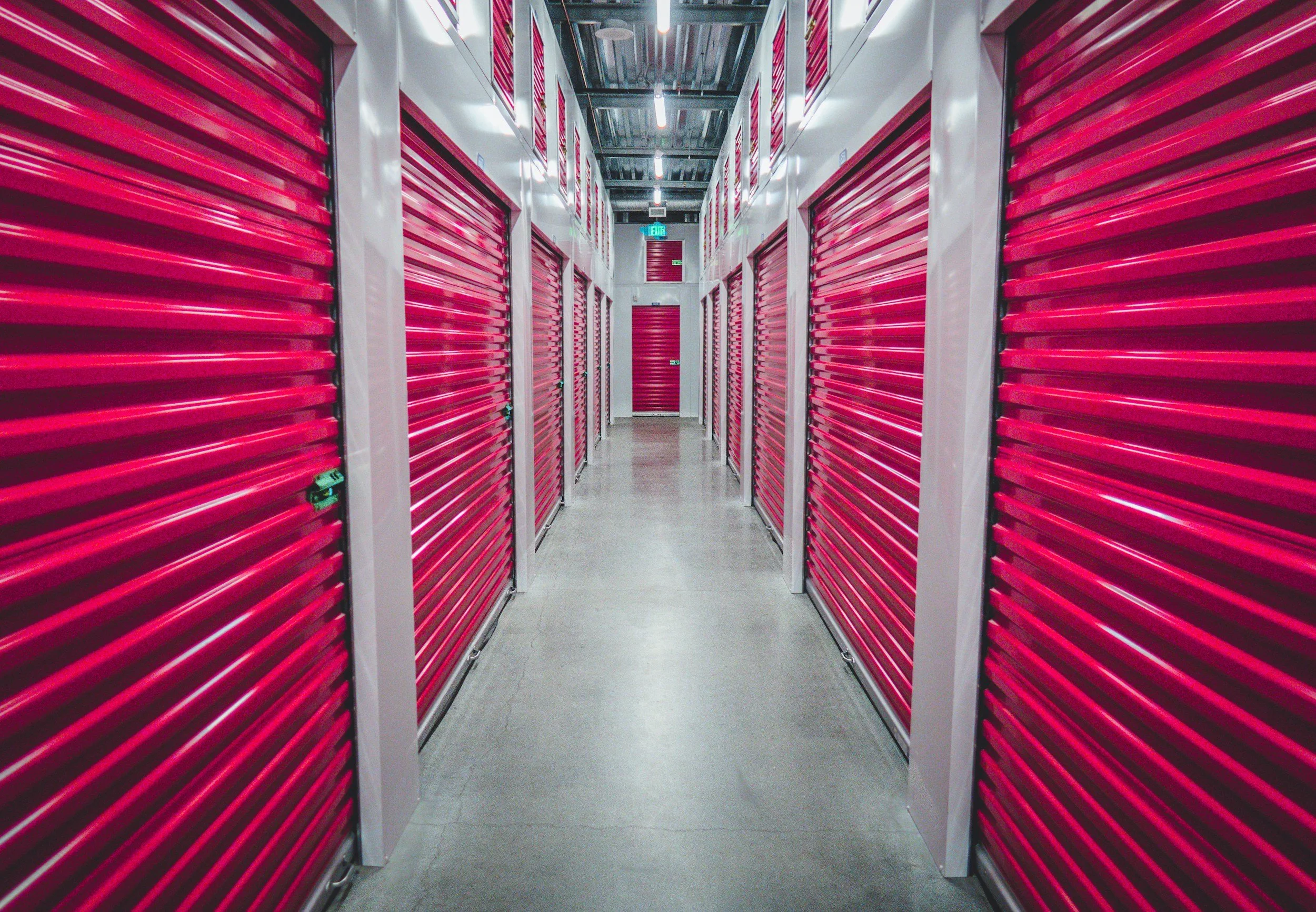
Storage portfolios depend on critical assets working reliably across distributed locations. Lean teams must know what needs attention, hold service partners accountable, and understand where capital will be needed next.
Critical Asset Reality
Access systems, security, HVAC, roofing, electrical, elevators, and life-safety systems directly affect operations, customer trust, and property risk. Failures quickly become operational and financial problems.Service Partner Accountability
Multiple specialized providers maintain these assets, often with separate service cycles, records, and standards. Operators need one operating model that defines what should happen, proves execution, and makes accountability visible across the portfolio.Operational Readiness & Risk
Inspections, evidence, asset condition, and service performance must remain continuously current. Gaps create operational disruption, liability, and avoidable risk.Continuous Capital Planning
Capital decisions should be driven by lifecycle intelligence and operating evidence — not emergencies and complaints. Better governance helps operators prioritize investment, protect NOI, and plan capital with confidence.
-
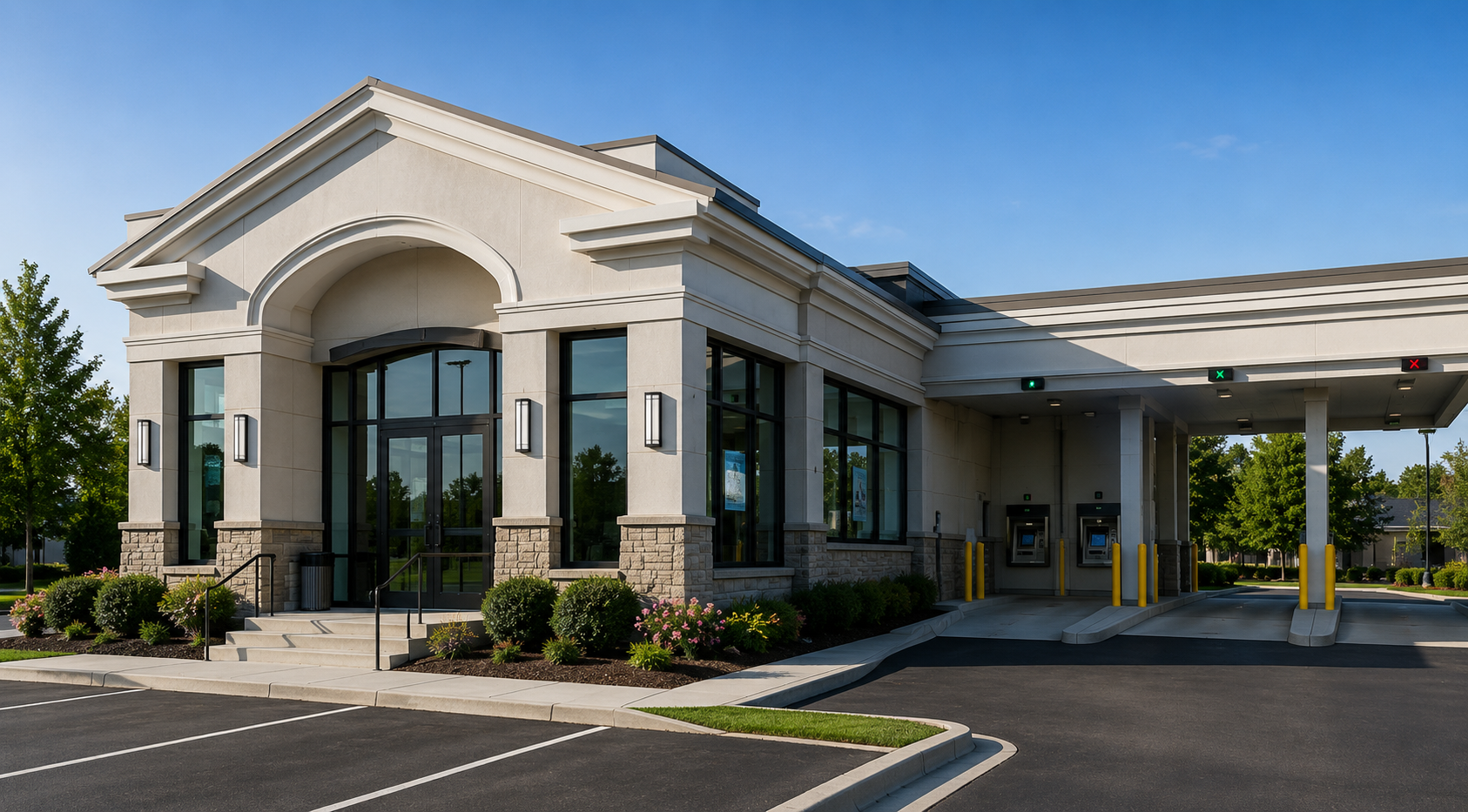
Branch networks depend on critical assets working reliably across distributed locations. Facilities teams must know what needs attention, hold service partners accountable, and understand where capital will be needed next.
Critical Asset Reality
HVAC, electrical, emergency power, security, ATM/ITMs, vault infrastructure, elevators, roofing, plumbing, and life-safety systems directly affect branch operations, security, and customer service. Failures can disrupt operations or close a branch.Service Partner Accountability
Multiple specialized providers maintain these assets across the network. Banks need one operating model that defines what should happen, proves execution, and makes accountability visible across every branch and partner.Operational Readiness & Risk
Business continuity, security, life safety, inspections, and internal standards require consistent execution and evidence. Gaps create operational disruption, compliance exposure, and reputational risk.Continuous Capital Planning
Capital decisions should be driven by lifecycle intelligence and operating evidence — not simply asset age, budget cycles, and failures. Better governance helps leadership prioritize investment, protect operational continuity, and plan capital with confidence.
-
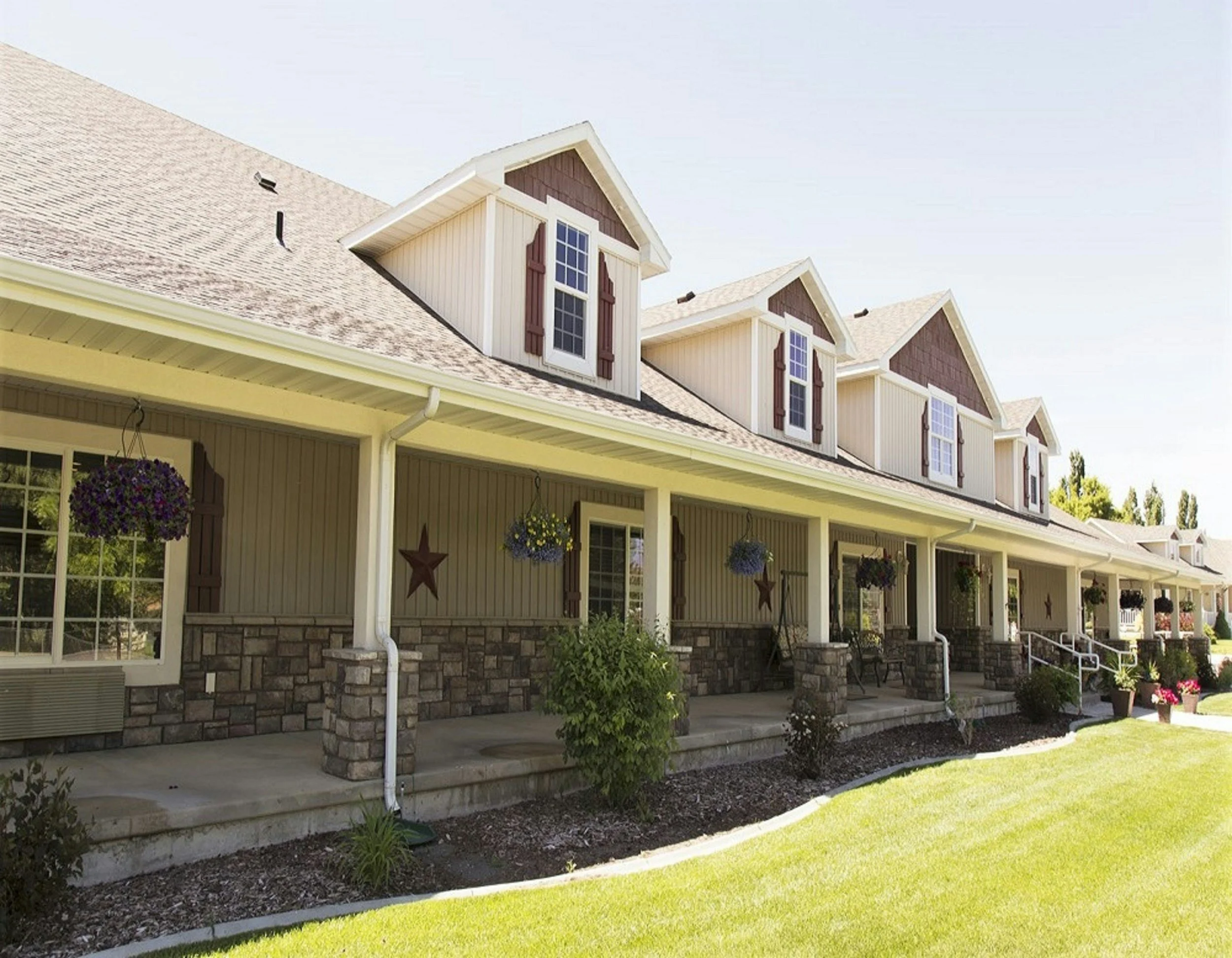
Senior living communities depend on critical assets working reliably every day. Operations teams must know what needs attention, hold service partners accountable, and protect the environment residents experience every day.
Critical Asset Reality
HVAC, elevators, kitchens, plumbing, emergency power, security, and life-safety systems directly affect resident comfort, safety, mobility, and quality of life. Asset performance is resident experience.Service Partner Accountability
Multiple specialized providers maintain these assets across communities. Operators need one operating model that defines what should happen, proves execution, and makes accountability visible across every location and partner.Operational Readiness & Resident Experience
Comfort, safety, cleanliness, accessibility, and reliable amenities all depend on physical operations. Better readiness means fewer disruptions for residents, families, and staff — while reducing compliance and operational risk.Continuous Capital Planning
Capital decisions should be driven by lifecycle intelligence and operating evidence. Better governance helps leadership prioritize investments that protect resident experience, reduce surprises, and plan capital with confidence.
-
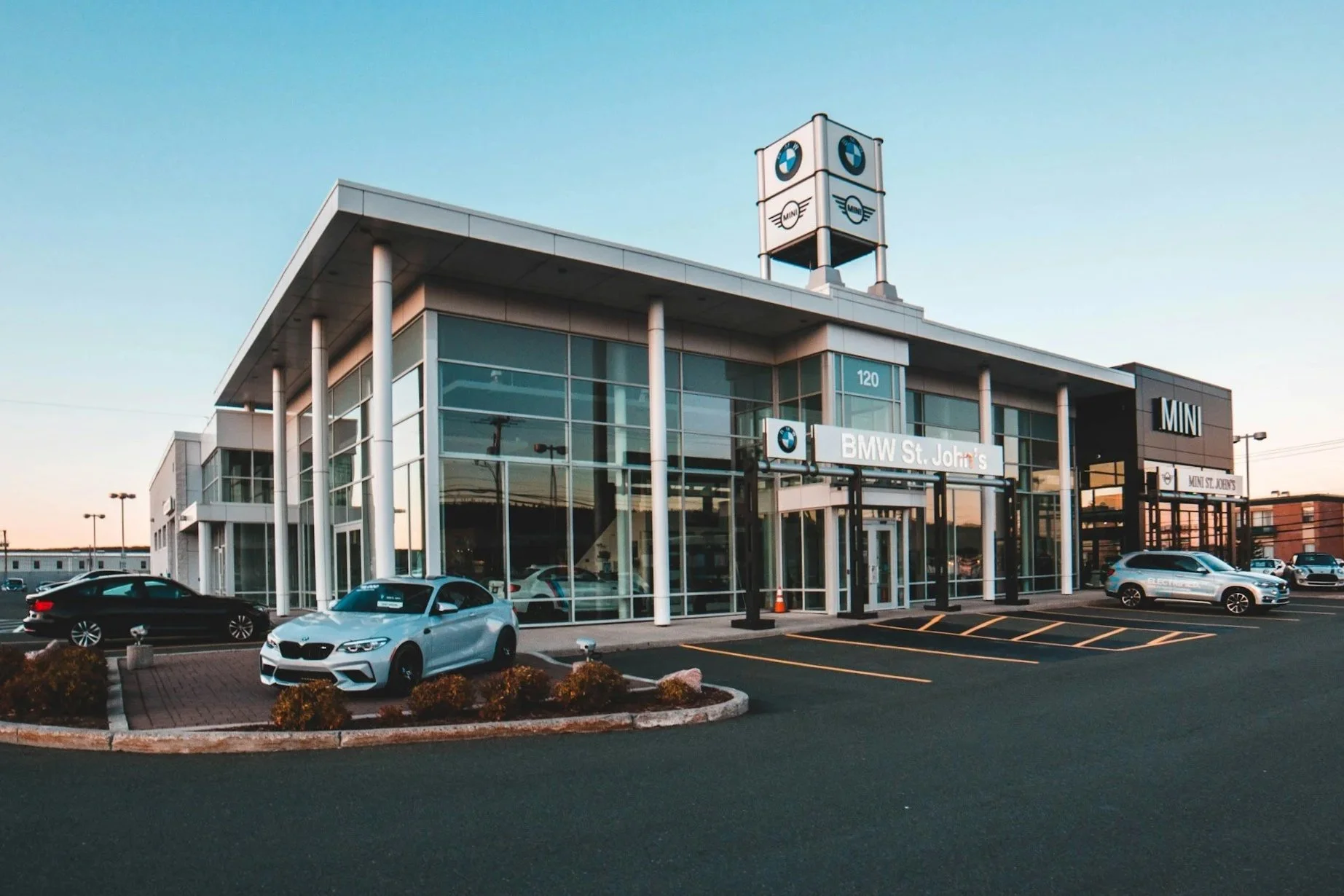
Automotive dealerships combine customer-facing retail with high-volume service operations. Operations teams must keep critical assets ready, hold service partners accountable, and deliver a consistent customer experience across every location.
Critical Asset Reality
Service lifts, compressed air, fluid systems, ventilation, HVAC, electrical, lighting, and life-safety systems directly affect service throughput, safety, and customer experience. In fixed operations, asset downtime can immediately become lost revenue.Service Partner Accountability
Multiple specialized providers maintain facility and service equipment across dealerships. Operators need one operating model that defines what should happen, proves execution, and makes accountability visible across every location and partner.Operational Readiness & Customer Experience
Customers and manufacturers expect consistent facility, safety, and brand standards across locations. Better readiness protects service throughput, reduces disruption, and helps deliver a consistent experience across the dealer network.Continuous Capital Planning
Capital decisions should be driven by lifecycle intelligence and operating evidence — not equipment failures, OEM requirements, or visible deterioration. Better governance helps leadership protect revenue, prioritize investment, and plan capital with confidence.
-
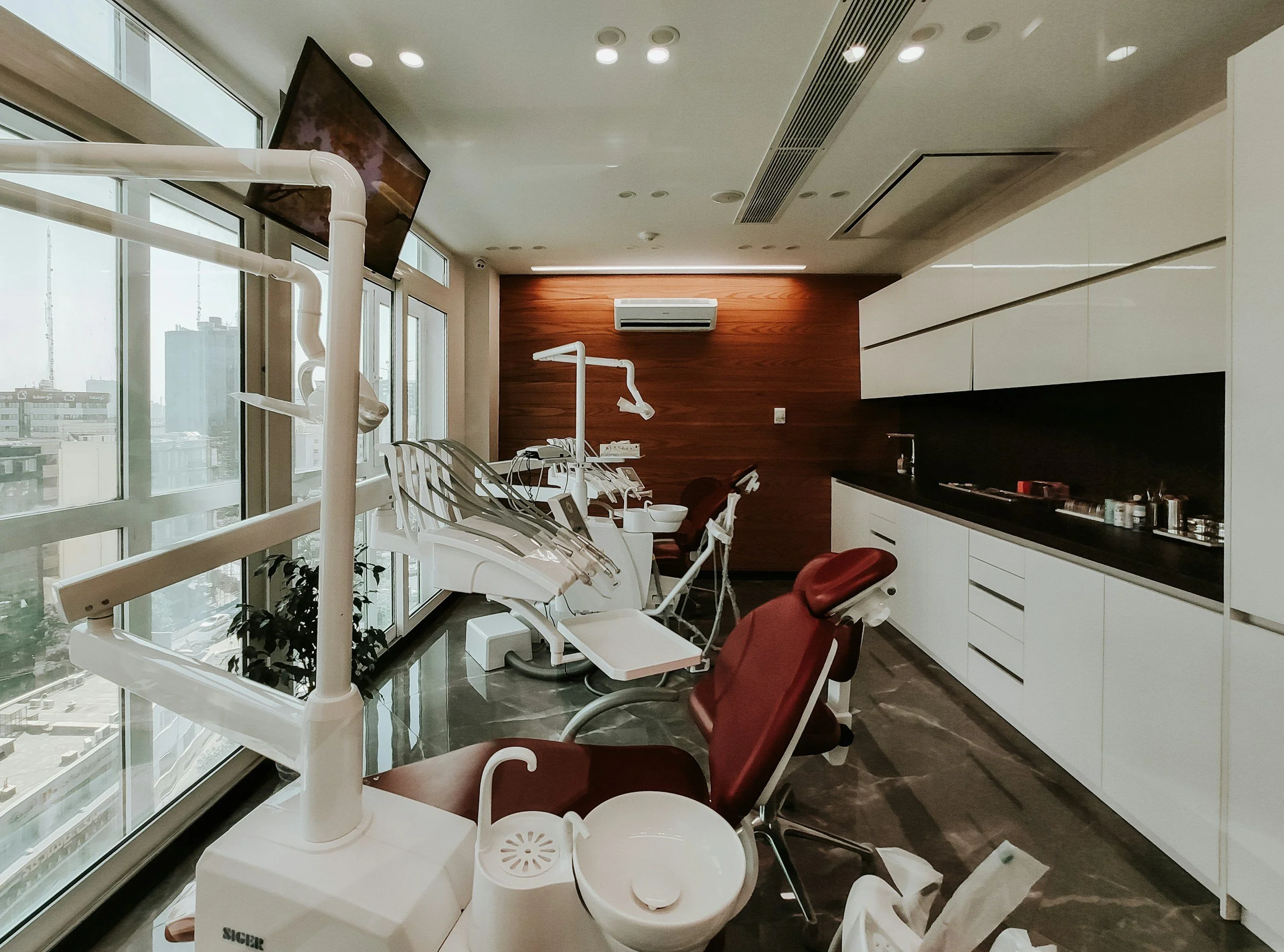
Outpatient care networks depend on facilities and specialized equipment working reliably every day. Operations teams must know what needs attention, hold service partners accountable, and protect the patient and client experience across every location.
Critical Asset Reality
HVAC, electrical, emergency power, plumbing, life-safety systems, and specialized clinical equipment directly affect safety, comfort, care delivery, and revenue. Asset failures can disrupt appointments, procedures, or close a location.Service Partner Accountability
Multiple specialized providers maintain facility and clinical assets across distributed locations. Operators need one operating model that defines what should happen, proves execution, and makes accountability visible across every site and partner.Operational Readiness & Care Experience
Patients and clients expect safe, comfortable, reliable facilities regardless of location. Consistent operating standards help organizations deliver a dependable experience across geographies while reducing disruption and operational risk.Continuous Capital Planning
Capital decisions should be driven by lifecycle intelligence and operating evidence. Better governance helps leadership prioritize investment, protect care delivery and revenue, reduce surprises, and plan capital with confidence.
-
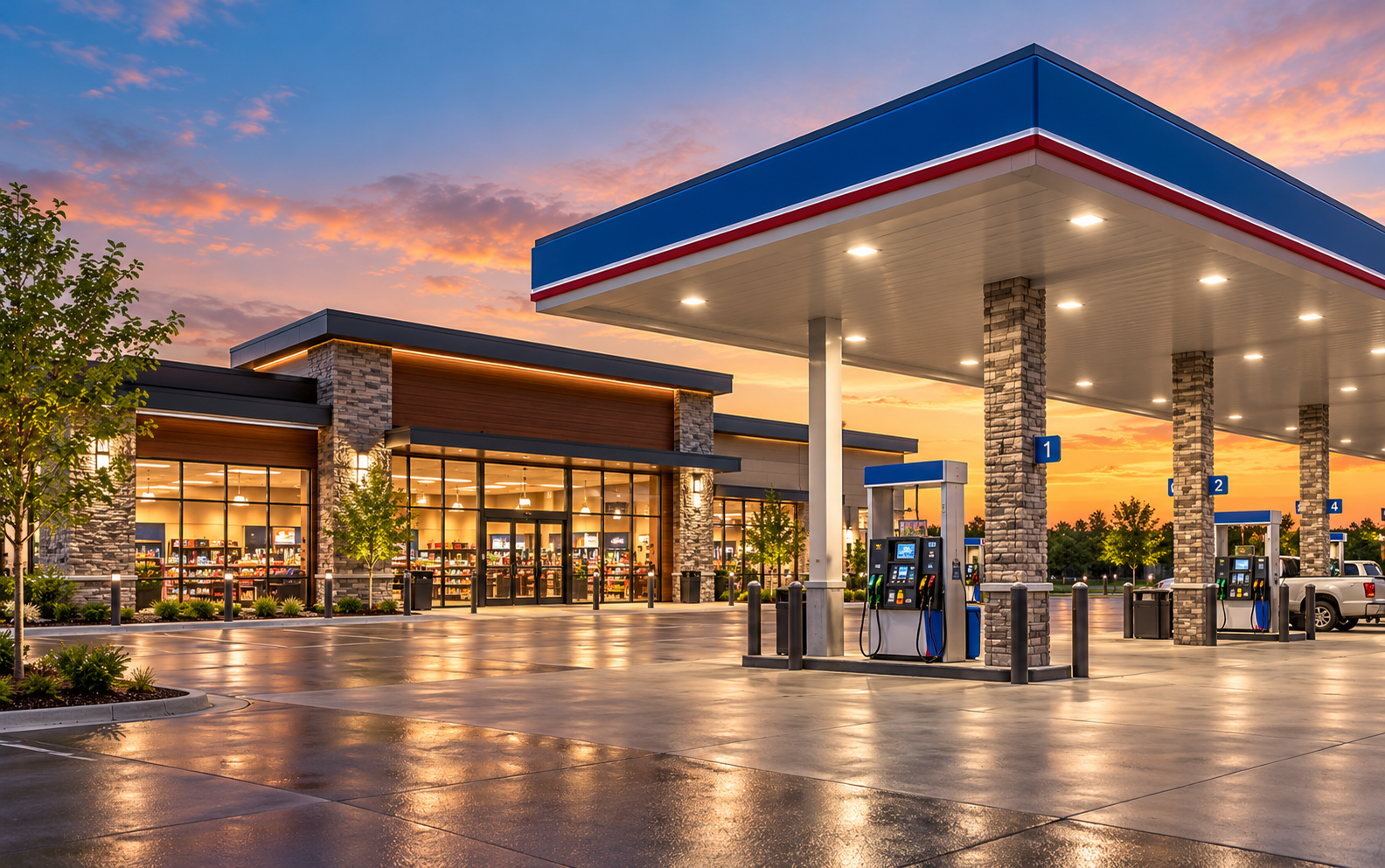
Convenience stores depend on critical assets working reliably around the clock. Operations teams must know what needs attention, hold service partners accountable, and protect the customer experience at every location.
Critical Asset Reality
Fuel systems, refrigeration, foodservice equipment, HVAC, electrical, lighting, security, and life-safety systems directly affect revenue, safety, product availability, and customer experience. Asset downtime can immediately become lost sales.Service Partner Accountability
Multiple specialized providers maintain these assets across distributed locations. Operators need one operating model that defines what should happen, proves execution, and makes accountability visible across every site and partner.Operational Readiness & Customer Experience
Customers expect the same experience regardless of location or geography. Consistent standards for fuel availability, food quality, store comfort, cleanliness, safety, and equipment readiness help operators deliver that experience across the entire network.Continuous Capital Planning
Capital decisions should be driven by lifecycle intelligence and operating evidence. Better governance helps leadership prioritize investment, protect revenue, reduce surprises, and plan capital with confidence.